he Impact of Climate Change on Guinea: Rising Sea Levels and Environmental Threats
Climate change is a global issue, but its impacts are felt disproportionately across different regions. While the effects of climate change are visible worldwide, certain countries are more vulnerable due to their geographical location, socio-economic structures, and existing environmental challenges. One such country is Guinea, a West African nation with a diverse ecosystem, rich natural resources, and a coastline stretching over 300 kilometers along the Atlantic Ocean. Guinea is increasingly threatened by the multifaceted impacts of climate change, particularly rising sea levels and other environmental threats. These threats endanger not only the country's environment but also its economy, food security, and the livelihoods of millions of its inhabitants.

1. Overview of Guinea's Geographic and Environmental Context
Guinea, often referred to as the "Water Tower of West Africa," is endowed with significant water resources, with major rivers like the Niger, Gambia, and Senegal originating from its highlands. The country's ecosystems range from coastal mangroves and tropical rainforests to savannahs and mountainous regions, all of which are highly sensitive to climate changes.
Due to its coastal location and reliance on agriculture, fishing, and mining, Guinea is highly vulnerable to environmental changes. Much of its population lives along the coastal areas, where rising sea levels and coastal erosion are major threats. The combination of poor infrastructure, limited governance capacity, and economic dependency on climate-sensitive sectors makes Guinea particularly susceptible to climate-induced environmental threats.
2. Rising Sea Levels: A Critical Challenge
One of the most visible and immediate impacts of climate change on Guinea is rising sea levels. The Intergovernmental Panel on Climate Change (IPCC) has forecasted that global sea levels could rise by as much as 1.1 meters by the end of the 21st century, depending on the success of global mitigation efforts. This rise is a direct result of global warming, which causes polar ice sheets to melt and thermal expansion of seawater.
2.1. Impacts on Coastal Communities
The rise in sea levels poses a critical threat to Guinea's coastal regions, home to nearly a third of the country's population. Cities like Conakry, the capital, are situated directly along the coast, making them particularly vulnerable. Coastal communities in Guinea face severe risks from flooding, saltwater intrusion, and erosion, which can displace large populations and disrupt their livelihoods.
Coastal erosion has already been observed in several areas along Guinea's coast, exacerbated by unsustainable human activities such as sand mining and mangrove deforestation. As the sea encroaches on the land, many villages and towns are at risk of being submerged. According to reports, some fishing villages have already had to relocate due to coastal degradation, leading to loss of homes, infrastructure, and arable land.
2.2. Threats to Food Security
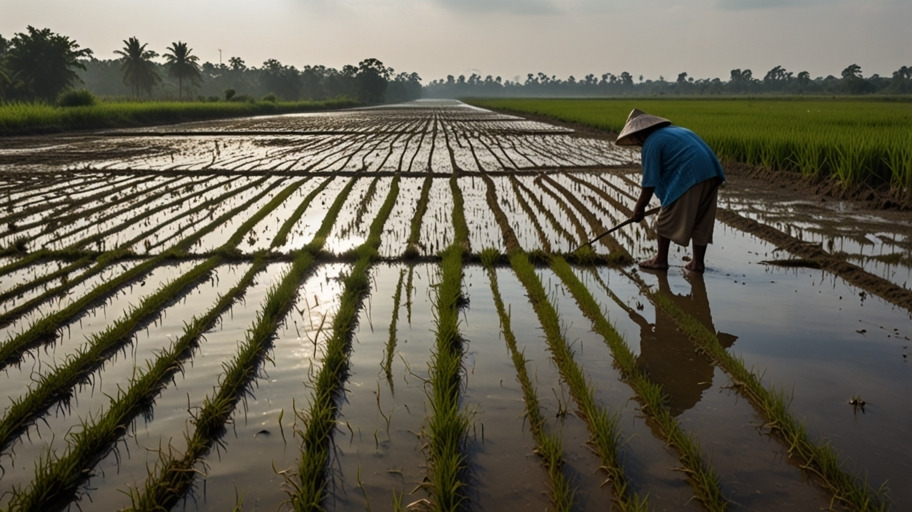
The agricultural sector in Guinea is highly climate-sensitive, with a large portion of the population depending on subsistence farming and fishing for their livelihoods. Rising sea levels threaten to inundate agricultural land, especially in low-lying coastal areas where rice farming is prevalent. Saltwater intrusion into freshwater systems and agricultural fields further exacerbates the problem, leading to reduced crop yields and soil degradation.
The fishing industry, which is a vital source of food and income for coastal communities, is also under threat. Rising sea temperatures and changing ocean currents due to climate change are altering fish migration patterns, leading to a decline in fish stocks. Overfishing and environmental degradation have compounded this issue, making it increasingly difficult for local fishermen to sustain their livelihoods.
3. Environmental Degradation and Biodiversity Loss
Guinea's rich biodiversity is another victim of the changing climate. The country is home to a range of ecosystems, from dense tropical forests in the southeast to mangrove swamps along the coast. However, climate change, along with human activities such as deforestation, mining, and agriculture, has led to significant environmental degradation, threatening the country's biodiversity.
3.1. Mangrove Forests Under Threat
Mangrove forests, which line much of Guinea's coast, serve as a natural buffer against storm surges, coastal erosion, and saltwater intrusion. They also play a crucial role in supporting biodiversity, breeding providing grounds for fish and other marine species, and acting as carbon sinks. However, Guinea's mangroves are increasingly under threat due to both rising sea levels and human activities like overharvesting for firewood and land conversion for agriculture.
The destruction of mangroves not only contributes to biodiversity loss but also increases the vulnerability of coastal communities to the impacts of climate change. Without the protection offered by mangroves, these communities are more exposed to storm surges and flooding, which are becoming more frequent and intense due to climate change.
3.2. Impact on Wildlife and Ecosystems
Beyond the coast, Guinea's forests and savannahs are also experiencing the impacts of climate change. Rising temperatures and shifting rainfall patterns are altering the ecosystems that many plant and animal species rely on. Droughts, which are becoming more frequent in some parts of the country, have led to reduced water availability, threatening wildlife and agriculture alike.
In the forests of southeastern Guinea, home to endangered species like chimpanzees, climate change is contributing to habitat loss. Forests are being cleared for agriculture and mining, while rising temperatures and changing precipitation patterns are disrupting the delicate balance of these ecosystems. This not only threatens Guinea's biodiversity but also undermines the livelihoods of people who depend on forest resources for food, medicine, and shelter.
4. Socio-Economic Impacts of Climate Change
The environmental threats posed by climate change in Guinea have profound socio-economic implications. With a large portion of the population dependent on agriculture, fishing, and natural resources, climate change directly affects livelihoods, food security, and poverty levels in the country.
4.1. Agriculture and Livelihoods
Agriculture is the backbone of Guinea's economy, employing around 80% of the population. However, the sector is highly vulnerable to climate change, particularly in rural areas where farmers rely on rain-fed agriculture. Shifting rainfall patterns, prolonged droughts, and floods are already affecting crop yields, leading to food shortages and increased poverty.
Rice, maize, and millet are staple crops in Guinea, but their production is declining due to unpredictable weather conditions. The rise in sea levels, which leads to saltwater intrusion into agricultural lands, is further compounding the challenges faced by farmers in coastal regions. As crop yields decline, food prices increase, exacerbating food insecurity, particularly for the most vulnerable populations.
4.2. Impact on Health
Climate change also has significant health implications for the people of Guinea. Rising temperatures, combined with increased humidity, create favorable conditions for the spread of vector-borne diseases such as malaria and dengue fever. Coastal flooding and the contamination of freshwater sources by saltwater can also lead to waterborne diseases, including cholera and diarrheal diseases, which are already major public health issues in Guinea.
Malnutrition, driven by food insecurity caused by declining agricultural productivity, is another health challenge that is likely to be exacerbated by climate change. As crop yields decrease and food becomes scarcer, vulnerable populations, particularly children, are at a higher risk of malnutrition, which can have long-term effects on health and development.
5.Government and International Response
Guinea has recognized the threats posed by climate change and has taken steps to address them, although challenges remain. The country is a signatory to the Paris Agreement and has developed a National Adaptation Program of Action (NAPA) to identify and address its most urgent climate adaptation needs.
5.1. National Adaptation Programs
Guinea's NAPA outlines a range of strategies to combat the impacts of climate change, including efforts to protect coastal areas, enhance food security, and improve water management. However, the implementation of these strategies has been slow due to limited financial and technical resources, as well as political instability.
Efforts to restore mangrove ecosystems, promote sustainable agriculture, and strengthen the resilience of coastal communities are crucial components of the country's climate adaptation strategy. In recent years, international organizations and development partners have supported Guinea in implementing climate resilience projects, such as improving early warning systems for floods and promoting climate-smart agricultural practices.
5.2. International Aid and Climate Financing
International cooperation and climate financing are critical for Guinea's ability to address the challenges posed by climate change. The country has received support from various international organizations, including the United Nations Development Program (UNDP), the World Bank, and the African Development Bank (AfDB ), to strengthen its climate resilience.
However, like many other countries, Guinea faces challenges in accessing sufficient climate finance to fully implement its adaptation and mitigation strategies. Limited institutional capacity, bureaucratic hurdles, and competing national priorities have made it difficult to secure the resources needed to address the developing scale of the climate crisis.
6. The Path Forward: Building Resilience in the Face of Climate Change
Building resilience to climate change in Guinea requires a multi-faced approach that addresses both the environmental and socio-economic dimensions of the problem. This includes protecting ecosystems, enhancing food security, improving public health infrastructure, and strengthening the adaptive capacity of vulnerable communities.
6.1. Ecosystem Restoration and Protection
Restoring and protecting critical ecosystems, such as mangrove forests and wetlands, is essential for building resilience to climate change. These ecosystems provide natural buffers against coastal erosion and flooding, support biodiversity, and contribute to the livelihoods of local communities. Efforts to reforest mangrove areas , reduce deforestation, and promote sustainable land use practices are crucial for enhancing Guinea's environmental resilience.
6.2. Climate-Smart Agriculture
Promoting climate-smart agricultural practices can help farmers adapt to changing weather conditions and reduce the impact of climate change on food security. This includes diversifying crops, improving water management systems, and using drought-resistant seed varieties. Supporting smallholder farmers with training and access to climate-resilient technologies is essential for ensuring long-term food security in Guinea.
6.3. International Cooperation and Advocacy
Guinea, as a developing country facing significant climate challenges, must continue to advocate for greater international support in the form of climate finance, technology transfer, and capacity-building. At the global level, efforts to mitigate climate change by reducing greenhouse gas emissions are critical for limiting the long-term impacts of rising sea levels and environmental degradation.
Conclusion
Climate change presents a grave threat to Guinea's environment, economy, and people, with rising sea levels and environmental degradation posing the most immediate challenges. Coastal communities face the dual threats of flooding and erosion, while inland areas grapple with shifting weather patterns that affect agriculture and water resources. As the impacts of climate change become more severe, it is imperative that Guinea continues to invest in adaptation strategies, ecosystem protection, and international cooperation to build a more resilient future for its people.