Guinea's Urbanization Trends: Growth of Conakry and Challenges of City Planning
Guinea, a West African country rich in natural resources, has seen rapid urbanization over the past few decades. As the country strives to modernize and develop its economy, the expansion of its urban centers, particularly the capital city of Conakry, has been at the at the forefront of this transformation. However, this rapid urban growth presents numerous challenges in city planning, infrastructure development, and the delivery of essential services. In this article, we will explore Guinea's urbanization trends, the growth of Conakry, and the myriad of planning challenges facing this city as it strives to meet the needs of its expanding population.
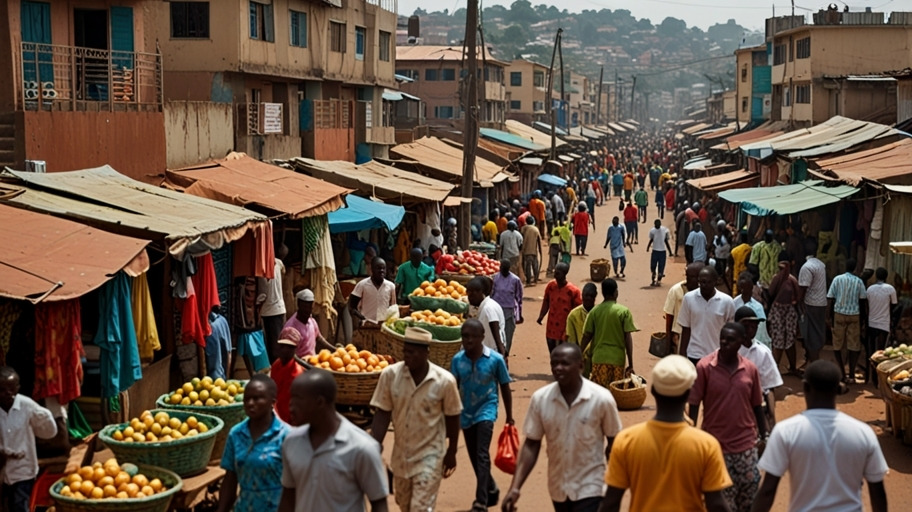
Overview of Urbanization Trends in Guinea
Guinea, like many sub-Saharan African nations, is experiencing significant demographic shifts due to urbanization. Historically, the country's population was predominantly rural, with agriculture being the backbone of the economy. However, economic opportunities, better access to social services, and the The promise of a more modern lifestyle have drawn large numbers of people from rural areas to urban centers.
According to the World Bank, Guinea's urban population has grown from just over 18% in 1960 to nearly 40% in 2020. This trend is expected to continue, with projections indicating that by 2050, over 60% of Guinea's population could reside in urban areas . The capital city, Conakry, plays a central role in this urbanization process. It has become the focal point of Guinea's economic, political, and cultural life, attracting people from across the country and beyond.
The Growth of Conakry
Conakry, the capital of Guinea, is situated on the Kaloum Peninsula, which juts into the Atlantic Ocean. Originally a small fishing village, Conakry has evolved into a sprawling metropolis with a population of over 2 million people, making it one of the largest cities in West Africa.
Conakry's growth has been driven by several factors:
- Economic Opportunities : Conakry is Guinea's commercial and financial hub, with industries ranging from mining to trade and services. The city serves as a gateway for the country's rich mineral resources, particularly bauxite, which is a key driver of Guinea's economy. The port of Conakry is a major export center for these minerals, creating job opportunities in shipping, logistics, and other related sectors. This economic activity has drawn people from rural in search of employment.
-
Government and Administration : As the political capital, Conakry is home to the central government, diplomatic missions, and international organizations. The concentration of administrative functions has led to an influx of civil servants, diplomats, and professionals, further boosting the city's population.
- Educational and Health Facilities : Conakry boasts the country's largest and most prestigious educational institutions and healthcare facilities, including universities, hospitals, and research centers. Many young people and families migrate to the city for better educational and healthcare services.
- Transportation Hub : Conakry's strategic location makes it a transportation hub, connecting Guinea with the rest of West Africa and the world. The city's international airport and major highways link it to regional capitals and global markets, facilitating the flow of goods and people.
- Natural Population Growth : In addition to migration, Conakry's population has grown due to natural population growth. The city's fertility rate, while lower than in rural areas, remains relatively high, contributing to the overall increase in residents.
Urban Sprawl and Informal Settlements
Conakry's growth has not been accompanied by adequate urban planning, leading to significant challenges in the city's expansion. One of the most visible consequences of this rapid urbanization is the proliferation of informal settlements, particularly in the city's peripheral areas.
As the city's population has grown, so too has the demand for housing. However, the supply of affordable housing has not kept pace with demand, forcing many residents to settle in informal, unplanned neighborhoods. These areas are often characterized by poor infrastructure, inadequate access to water and sanitation, and a lack of basic services such as healthcare and education. Informal settlements in Conakry also tend to be highly vulnerable to environmental hazards, including flooding and landslides, especially during the rainy season.
The expansion of these informal settlements has led to urban sprawl, with the city extending far beyond its original boundaries. This has created challenges for city planners, who struggle to provide infrastructure and services to these rapidly growing, often unregulated areas. The lack of zoning regulations and enforcement has also led to haphazard development, with residential, commercial, and industrial activities often occurring side by side, further complicating the task of urban management.

Challenges in City Planning
The rapid growth of Conakry presents significant challenges for urban planners, who must contend with the pressures of a growing population, limited financial resources, and weak governance. Some of the key challenges in city planning include:
1. Infrastructure Deficit
One of the most pressing challenges facing Conakry is the lack of adequate infrastructure. The city's roads, water supply, electricity grid, and sanitation systems were not designed to accommodate the current population, let alone future growth. Traffic congestion is a daily reality for residents , with poorly maintained roads and limited public options exacerbating the problem. The lack of reliable electricity is another major issue, with frequent blackouts affecting businesses and households alike.
The water and sanitation infrastructure in Conakry is also inadequate, leading to public health concerns. Many residents, particularly in informal settlements, lack access to clean drinking water and proper sewage systems. This has contributed to the spread of waterborne diseases, such as cholera, which remains a persistent problem in the city.
2. Housing Crisis
The housing shortage in Conakry is another critical issue. As mentioned earlier, the city's population growth has far outpaced the availability of affordable housing. Many residents are forced to live in overcrowded, substandard conditions, often in informal settlements. The government has struggled to implement effective housing policies, and private sector investment in affordable housing remains limited.
Land tenure issues also complicate the housing situation in Conakry. Many residents in informal settlements do not have legal title to the land they occupy, making it difficult for them to invest in improving their homes or for the government to regularize these areas.
3. Environmental Degradation
Conakry's rapid urbanization has had a significant impact on the environment. Deforestation, soil erosion, and coastal degradation are all growing concerns as the city expands. The conversion of natural areas into informal settlements has led to the destruction of ecosystems and increased vulnerability to environmental disasters .
Coastal erosion, in particular, poses a serious threat to Conakry, given its location on a narrow peninsula. Rising sea levels and storm surges associated with climate change are expected to exacerbate this problem, threatening both infrastructure and livelihoods in the city.
4. Governance and Institutional Capacity
Effective city planning requires strong governance and institutional capacity, both of which are in short supply in Conakry. The city's municipal authorities face numerous challenges, including limited financial resources, a lack of technical expertise, and weak coordination between different levels of government. Corruption and bureaucratic inefficiency further undermine efforts to improve urban management.
The lack of a comprehensive urban development plan for Conakry has resulted in piecemeal, reactive planning, with little coordination between different sectors or long-term vision. This has led to fragmented development and a lack of coherence in the city's growth, making it difficult to address the complex challenges facing the city.
5. Social Inequality
Urbanization in Conakry has also highlighted stark social inequalities. While some residents enjoy modern amenities and access to services, others, particularly those living in informal settlements, face significant hardships. The unequal distribution of resources and opportunities has created a divide between the city's wealthy and poor residents, contributing to social tensions and political instability.
Access to education, healthcare, and employment opportunities is often limited for those living in informal settlements, perpetuating cycles of poverty and exclusion. Addressing these inequalities will be crucial for ensuring sustainable urban development in Conakry.

Strategies for Sustainable Urban Development
To address the challenges posed by rapid urbanization, Guinea must adopt a more proactive and comprehensive approach to city planning. Several strategies could help promote more sustainable urban development in Conakry:
1. Investment in Infrastructure
Addressing Conakry's infrastructure deficit will be essential for improving the quality of life for residents and supporting future growth. The government, in partnership with international donors and the private sector, should prioritize investments in roads, public transportation, water supply, sanitation, and electricity. Upgrading existing infrastructure and expanding services to underserved areas, particularly informal settlements, will be key to ensuring that all residents benefit from urbanization.
2. Affordable Housing Solutions
The government must also develop a comprehensive housing strategy that addresses the needs of low-income residents. This could include policies to incentivize private sector investment in affordable housing, as well as programs to regularize informal settlements and provide residents with secure land tenure. Expanding access to housing finance and promoting the use of innovative, low-cost construction techniques could also help alleviate the housing crisis.
3. Environmental Protection and Climate Resilience
Given Conakry's vulnerability to environmental hazards, particularly coastal erosion and flooding, efforts to protect the environment and build climate resilience should be a priority. This could include implementing stricter regulations on land use, reforesting degraded areas, and investing in coastal protection measures, such as seawalls and mangrove restoration.
4. Strengthening Governance and Institutional Capacity
Improving governance and building the capacity of municipal authorities will be crucial for addressing the challenges of urbanization. This could involve decentralizing decision-making authority to local governments, providing them with the financial and technical resources they need to manage urban growth effectively, and promoting greater transparency and accountability in urban planning processes.
5. Promoting Inclusive Development
Finally, efforts to reduce social inequality and promote inclusive development should be central to Guinea's urbanization strategy. This could include expanding access to education, healthcare, and employment opportunities for marginalized groups, as well as implementing policies that promote social cohesion and reduce political instability.
Conclusion
The rapid urbanization of Conakry presents both opportunities and challenges for Guinea. While the city's growth has the potential to drive economic development and improve living standards, it also poses significant challenges for city planners and policymakers. Addressing the infrastructure deficit, housing crisis, environmental degradation , and social inequalities will be essential for ensuring that Conakry's growth is sustainable and inclusive. With the right policies and investments, Guinea can harness the benefits of urbanization while minimizing its negative impacts, creating a more prosperous and livable city for all its residents.